We continue to explore genes with top scores in association to lung cancer as part of the Mapping Cancer Markers (MCM) project. This update focuses on the SLC5A1 (solute carrier family 5 member 1) gene. The gene is mainly associated with regulating the uptake of glucose and galactose from the intestine.
Terminology
- Adenocarcinoma: a type of cancer that begins in glandular cells. These cells produce fluid and line many organs.
- Carcinogenesis: a process through which normal cells are transformed into cancer cells.
- Glucose: a sugar that acts as the human body’s primary source of energy, derived from food. In this context, glucose is also a primary energy source for the growth and progression of tumors.
- Hazard ratio (HR): comparison of the risk of an event occurring between two groups at any given point in time. In the context of this article, the hazard ratio represents the risk of mortality from lung cancer between patients with high vs. low SLC5A1 expression.
- p-value: a number ranging from 0 to 1 indicating how likely an observed result occurred by chance. The smaller the p-value is, the less likely a result occurred by chance. A p-value of 0.05 or less typically indicates a significant relationship between the variables studied.
- PI3K/Akt/mTOR signalling: a molecular pathway activated to signal low cellular energy or cellular stress. Recent studies have shown that this pathway, when activated abnormally, may result in cancer cell proliferation.
- Prognostic marker: a biological marker that is associated with clinical outcomes. In the context of this article, certain genes act as prognostic markers for cancer survival rates.
- SGLT1: sodium-glucose co-transporter 1, the protein encoded by the SLC5A1 gene. Helps absorb glucose as food passes through the small intestine.
- Squamous cell carcinoma: a type of cancer characterized by the uncontrolled growth of squamous cells in either the outermost skin layer, called the epidermis, or along organ linings.
Project Background
The Mapping Cancer Markers (MCM) project focuses on using the World Community Grid’s (WCG) immense computational power to identify clinically useful signatures for various cancers. Millions of lung cancer signatures were processed, resulting in 26 high-scoring genes. This research aids early cancer detection in patients, the identification of patients with high cancer risk, and the prediction of potential treatment responses. As of April 2026, over 2.89 billion results were returned, all thanks to the continued support from our volunteers.
Our last research update focused on NELL2 (Neural EGF-Like-Like protein 2), a gene involved with early nervous system development. This update will focus on SLC5A1 (Solute carrier family 5 member 1), a gene critical to glucose absorption in the body.
Introducing SLC5A1!
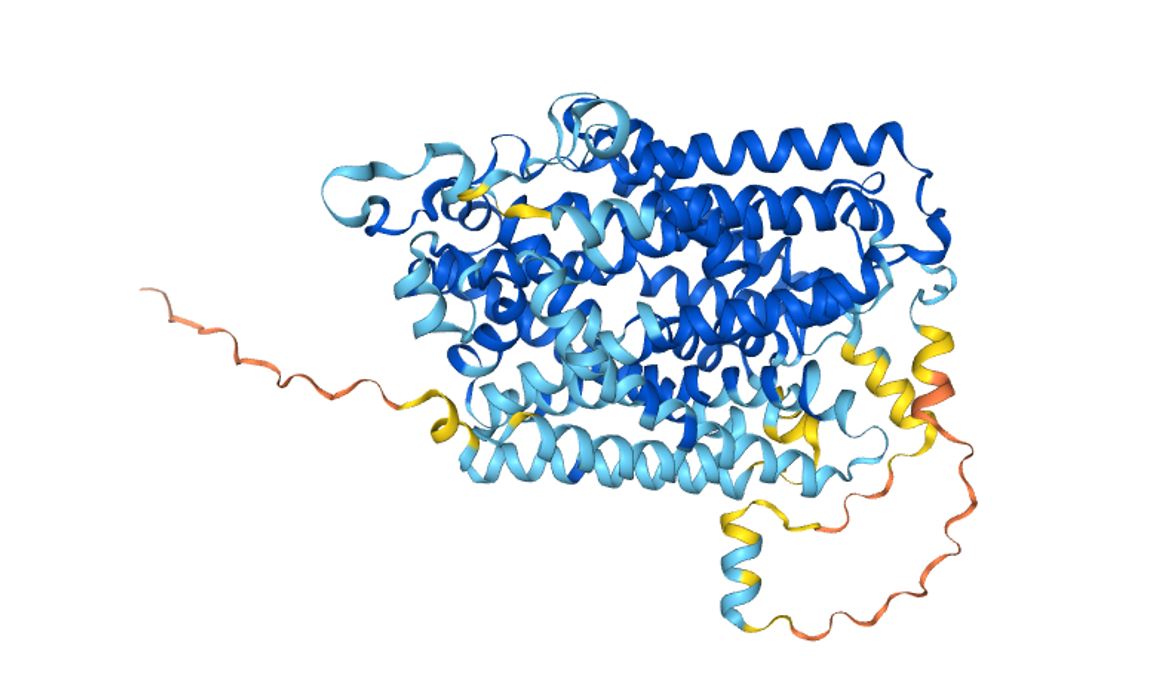
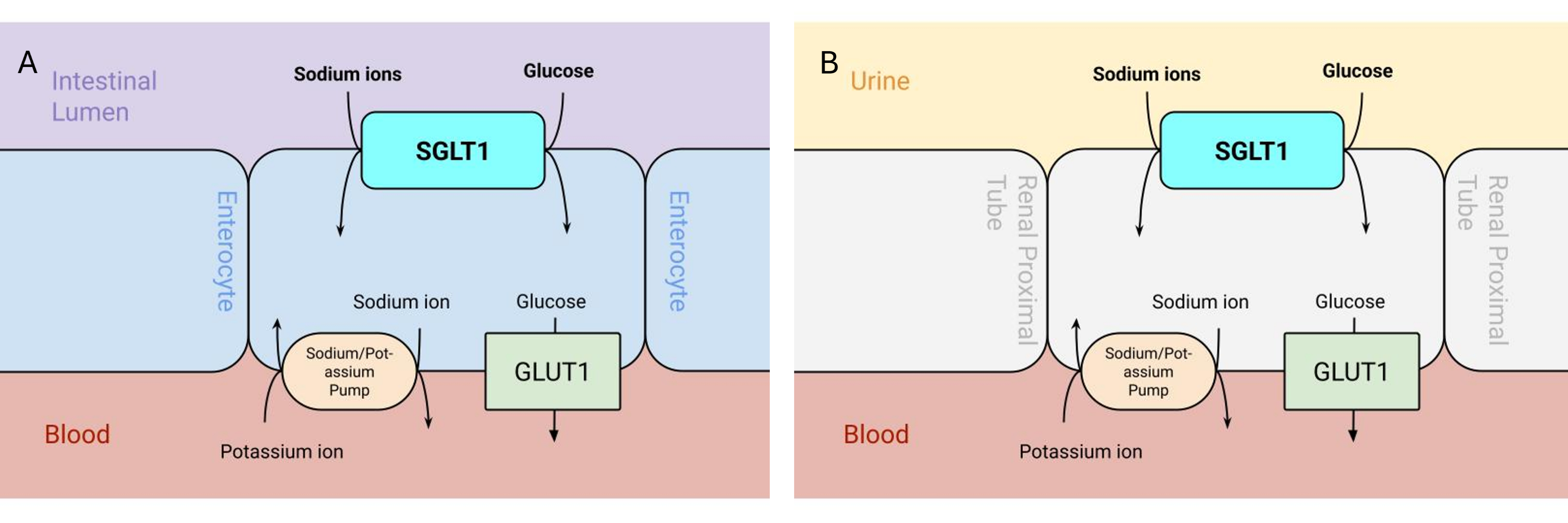
The SLC5A1 gene encodes a protein from the sodium-dependent glucose transporter (SGLT) family, also known as solute carrier family 5: SGLT1 (Fig. 1). It is a membrane protein that mediates the transport of dietary glucose and galactose via sodium gradients in cells of the intestinal lumen (Fig. 2A). SGLT1 also mediates the reabsorption of filtered glucose in the kidney via a similar mechanism (Fig. 2B). Glucose absorption is only dependent on the sodium concentration gradient across the cell membrane. When there is a higher concentration of sodium ions outside the cell compared to inside, sodium ions will enter the cell and bring glucose along with it using SGLT1. This movement of glucose into the cell is usually against its own concentration gradient, hence why a special SGLT transporter is needed.
SLC5A1 in Cancer Growth
SLC5A1 expression is positively correlated with cancer growth and cancer cell proliferation, and is overexpressed in many cancer cell lines. For example, a high SLC5A1 expression has been linked to lower survival rates for pancreatic cancer, breast cancer, and gastric cancer (PMID:32377271, PMID:16604482). Its effects are mainly due its potential to fuel cancer cells with a large amount of glucose, activating their further growth and proliferation. The way SLC5A1 specifically increases cancer cell growth and proliferation varies between cancer types, but it's often associated with the PI3K/Akt/mTOR signaling pathway and the uptake of glucose towards cancerous cells (Fig. 3, PMID:35402264, PMID:31114359, PMID:32377271).
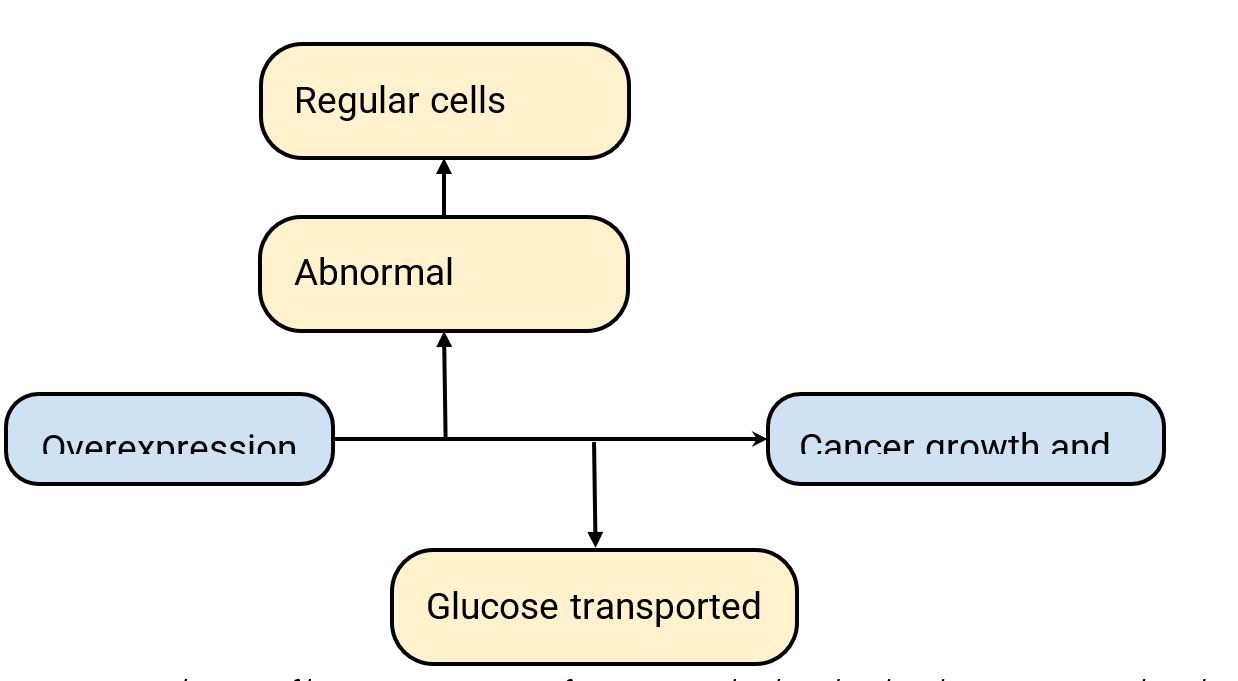
Cancer cells heavily rely on glucose to fuel cell processes. Studies have found that inhibiting SLC5A1 induces lower glucose accumulation in cancer cells as well as causing lower levels of cancer cell growth and proliferation(PMID:31114359). In pancreatic cancer, for example, many cancerous pancreatic cells with the SLC5A1 gene inhibited could not progress past their G1/G0 phase in the cell cycle. (PMID:31114359)
The PI3K/Akt/mTOR signaling pathway is activated when there is low cellular energy or cellular stress. Its signaling results in energy being restored into these cells. However, recent studies have shown that triggering this pathway irregularly may result in carcinogenesis and cancer proliferation. SLGT1 is found to trigger this signaling as in cells where SLC5A1 was inhibited, PI3K/Akt/mTOR signaling was blocked. (PMID:35402264, PMID:31114359)
SLC5A1 promotes cancer progression in other ways as well; however, each method is specific to different forms of cancer. For example, overexpression of SLC5A1 in breast cancer is associated with lymph node metastasis, while SLC5A1 in pancreatic cancer is related to enabling the proliferation of cancerous cells. (PMID:32377271, PMID:31114359)
Expression of SLC5A1
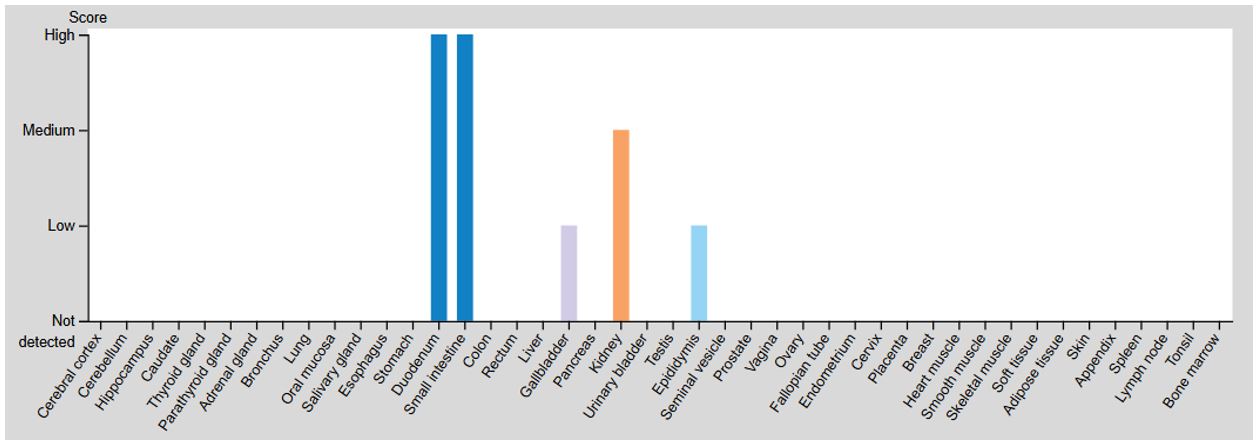
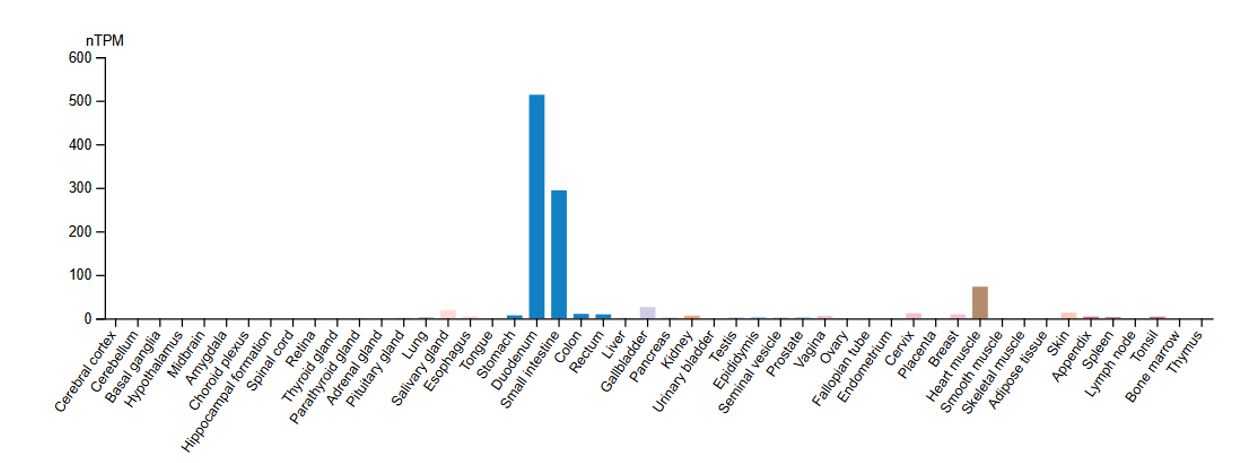
SGLT1 is highly expressed in the duodenum and the small intestine. It has a medium expression in the kidney. It has a low expression in the gallbladder and epididymis. In all other organ tissue, it has not been detected (Fig.4). In accordance with SLGT1’s function, the tissues it is found in belong to organs that mainly function in digestion and nutrient absorption.
The amount of RNA expression of the SLC5A1 gene varies across organs. There is a relatively high amount of expression in the duodenum and the small intestine. In all other organ tissues, there are relatively small amounts of expression of RNA for SLC5A1 (Fig.5).
SLC5A1 in Lung Cancer
The SLC5A1 gene is not highly expressed in the lungs. However, this does not disprove its effectiveness as a prognostic marker. For example, it is directly linked to pancreatic cancer, yet has low expression in the pancreas.
SLC5A1 and its potential as a lung cancer prognostic marker remains largely unexplored, but further research may demonstrate its potential.
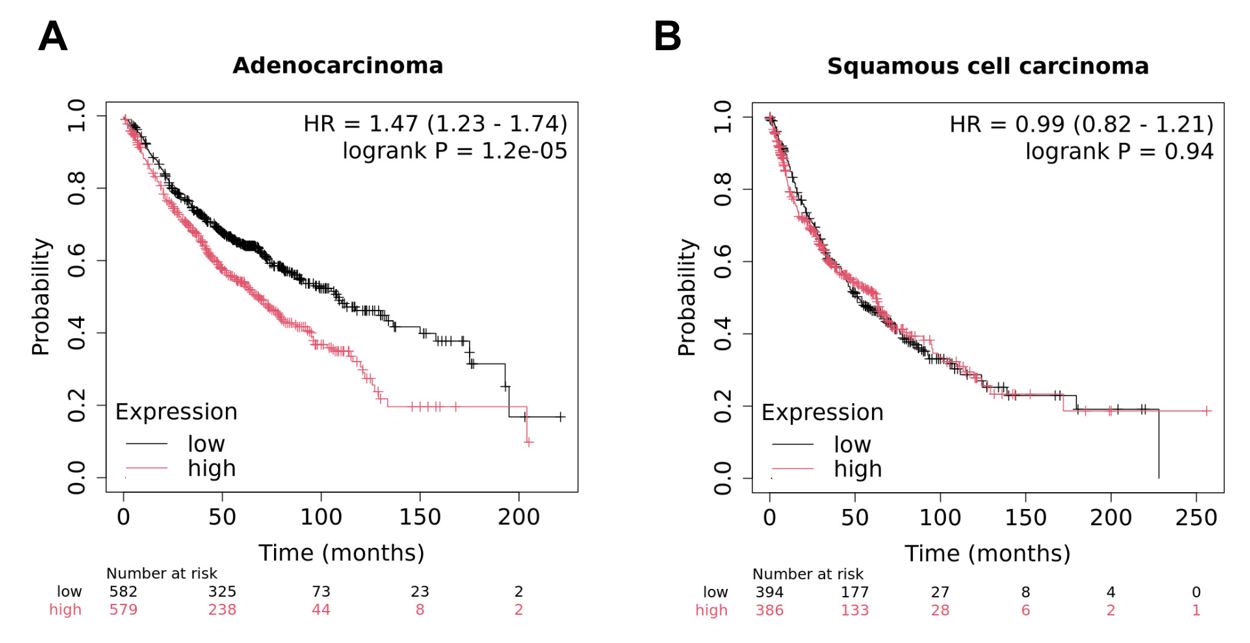
Patients with high expression of SLC5A1 showed a 47% increase in likelihood of mortality for lung adenocarcinoma (Fig. 6A), while SLC5A1 is not prognostic for squamous cell carcinoma (Fig. 6B).
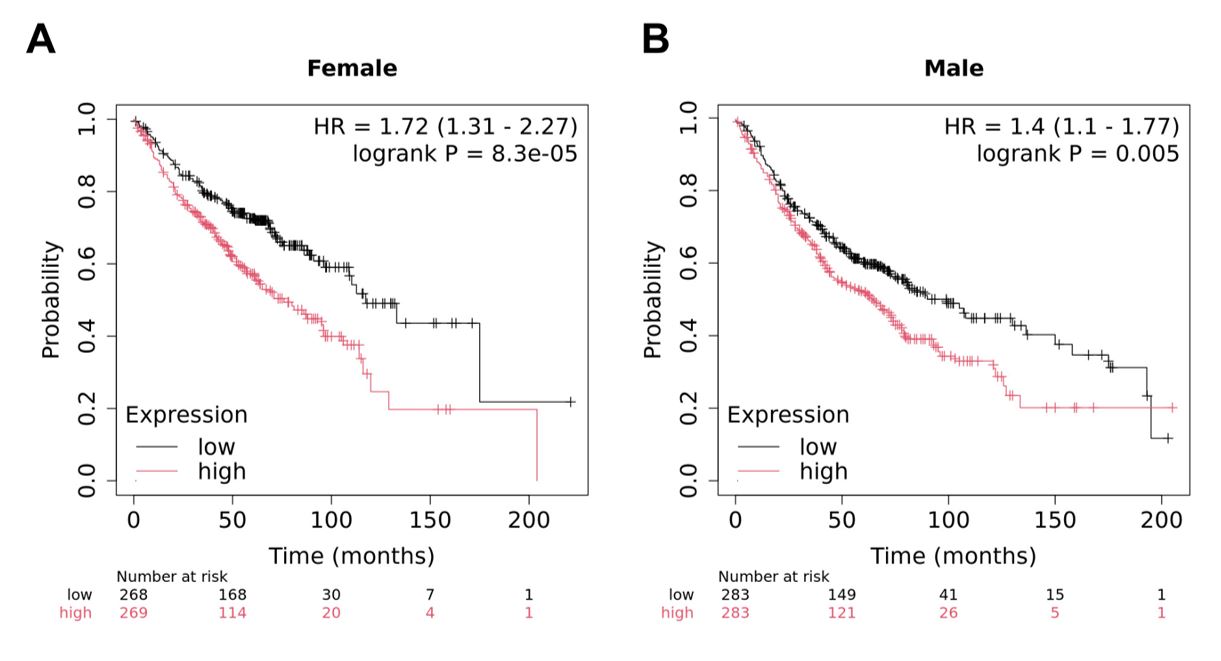
Further looking into SLC5A1 and adenocarcinoma, we investigated if there were any risks associated with patient sex. KM Plots were created to reflect female-only patients (Fig. 7A) and male-only patients (Fig. 7B). Significantly stronger risk is found in female patients (HR=1.72; p-value= 8.3*10-5) (Fig.7A), compared to male patients (HR=1.4; p-value=0.005) (Fig. 7B).
Conclusion
Glucose uptake is extremely important for the survival of cancer cells. Genes that may affect glucose uptake may have a link to carcinogenesis and prognosis, such as SLC5A1. This gene is already a prognostic marker in many cancers, mainly due to how its expression can activate the PI3K/Akt/mTOR signaling pathway abnormally, and how it can provide the glucose requirements of cancer cells for their sustainment, leading to carcinogenesis and in turn poor prognosis.
If you have any questions, concerns or comments, please let us know! Thank you for your continuing support of our research. Until next time!
The MCM Team
This article was written with contributions from Jacqueline Wang, a student from William Lyon Mackenzie Collegiate Institute, and Gabriel Gonzales Vargas.